Back
 By GetOPT Review Team · Reviewed by Jeremie Walker, MD, MBA · September 14, 2026
10 Worst Foods for Prostate Health and Foods You Need To Add To Your

The prostate is a small gland that is instrumental in reproductive functioning in men. When healthy, it is doughnut shaped and wrapped around the urethra, the tube through which men urinate. (This is why an enlarged prostate makes urination difficult.)
There are three primary ways in which men suffer poor prostate health.
- Inflammation (prostatitis)
- Prostate cancer
- Non-cancerous enlargement (“enlarged prostate”, benign prostatic hyperplasia or BHP
Benign prostatic hyperplasia (BPH) is not prostate cancer, and the two are separate conditions with distinct biological causes. A man can have both conditions at the same time, which is why a clinical prostate workup evaluates for each one separately. That combined evaluation gives your physician the clear baseline needed to tailor your care and protect your prostate health over time.
Age is the leading risk factor for prostate cancer, with overall risk climbing steadily as men grow older, according to the American Cancer Society. Family history and race are also recognized risk factors that influence baseline susceptibility. Daily nutrition stands out as one of the few modifiable factors you can actively control to protect your prostate health.
And there is no doubt that diet plays a crucial role in both prostate health and minimization of symptoms in those with prostate disease. In this article, we take a look at some of the foods to avoid and some new ones with which to replace them.
RELATED: What Causes Chronic Prostatits And Ways To Treat It
The PSA testing page covers when men should start screening based on age.
Subscribe for more
Join our newsletter to get the latest news, tips, and stories from Opt Health.
Which Foods Can Worsen Prostate Disease?
For an enlarged prostate (BPH) specifically, caffeine, alcohol, and spicy or acidic foods are the biggest issues below, since they irritate the bladder and worsen urinary symptoms. Non-grass-fed beef, non-organic chicken, saturated fats, and excess calcium are tied more to prostate cancer risk than to BPH symptoms. For whether a PSA test makes sense before changing your diet, see PSA Testing: What It Is & Why You Should Consider It.
1. Non-Grass-Fed Beef
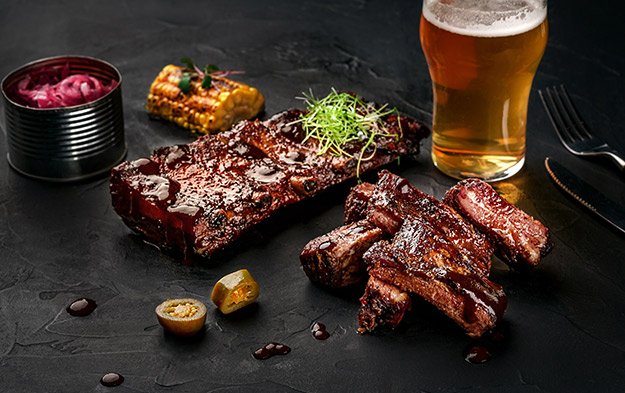
The connection between prostate cancer and the consumption of mass-produced beef was established by the American Institute for Cancer Research more than twenty years ago.
Beef that is produced for mass marketing is raised on foods cows are not meant to eat, like corn, grain, and soy. These foods invoke chemical responses in the cow’s digestive tract to fight what is perceived as a foreign substance. The presence of these unnatural elements may be part of why men who eat non-grass-fed beef are 12% more likely to suffer prostate cancer than men who eat organic, grass-fed beef free of additives or hormones. This is also true of lamb and pork raised with feed not suited to their metabolism to a slightly lesser degree.
2. Non-Organic Chicken
Factory-farmed chickens are tainted with hormones, antibiotics, and steroids that affect the growth of the animal and the substance of its meat. When birds ingest foods they are not evolved to digest, digestion creates toxins as tissue is grown to 200-300% of their normal size. Chicken contains heterocyclic amines, which have been shown to induce prostate cancer in rats and damage DNA in cultured human prostate tissue.
Interested in learning about meat sweats? Learn more from Opt Health!
3. Dairy
The saturated fats in most dairy make it problematic to prostate health. Dairy tends to undermine the overall low-fat diet that is best for prostate health. Unsweetened soy milk or almond milk, both fortified with calcium, work as a swap for dairy milk; soy also carries isoflavones that a meta-analysis of 30 studies tied to a lower prostate cancer risk. Get the rest of your calcium from salmon, greens, and almonds instead of dairy.
4. Caffeine
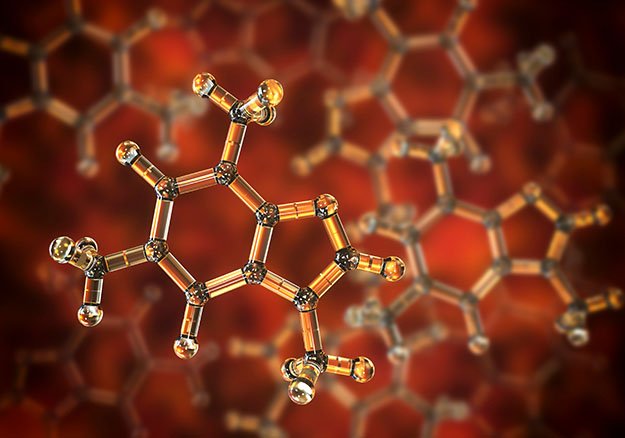
Caffeine acts as a diuretic, meaning that it dehydrates you by increasing your urge to urinate. It can be challenging for enlarged prostate sufferers to empty the bladder, resulting in discomfort. To relieve this symptom, reduce your caffeine intake, including coffee, tea, and soft drinks.
5. Spicy And Acidic Foods
Because they tend to inflame the bladder and prostate, spicy and acidic foods increase primary urinary symptoms in men with diminished prostate health. Thus, aim to eat less curry, chili, and hot sauce.
6. Alcohol
Alcohol is another substance that increases the urge to urinate, resulting in a frequent and urgent need to urinate. This dehydrating effect can irritate both the bladder and the prostate.
RELATED: Penis Health Care: How To Identify & Treat Problems
7. Sweet Baked Goods
The sweeter the baked goods, the higher the likelihood it contains saturated fat, which is a problem for prostate health. Baked goods use saturated fats to bind ingredients together and provide a smooth, finished texture. Like all saturated fats, those found in baked goods can worsen the symptoms of prostate disease.
8. Some Salad Dressings
Again, the culprit is saturated fat. But salad dressing recipes often rely on saturated fats as the body and texture of the dressing – the part that makes it stick to the salad.
9. Saturated Fats In Any Food
Saturated fats have very few advantages and are already highly correlated with heart disease. But emerging research shows that they’re not very good for your prostate either. These studies have shown a connection between saturated fat intake and the risk of prostate cancer.
Saturated fat is primarily present in:
- Butter
- Coconut oil or palm oil
- Sausages, bacon, fatty meat
- Pastries
- Cheese
10. Excess Calcium

Cutting dairy and calcium out completely is not required for prostate health. The concern is excess intake, and limiting is the more moderate approach. Excessive calcium intake has been associated with catalyzing the growth of tumor tissue in patients already suffering from prostate cancer.
To cut back on calcium intake, try limiting or stopping consuming milk, cheese, cottage cheese, yogurt, pudding, and ice cream.
What Foods Are Good for Shrinking the Prostate?
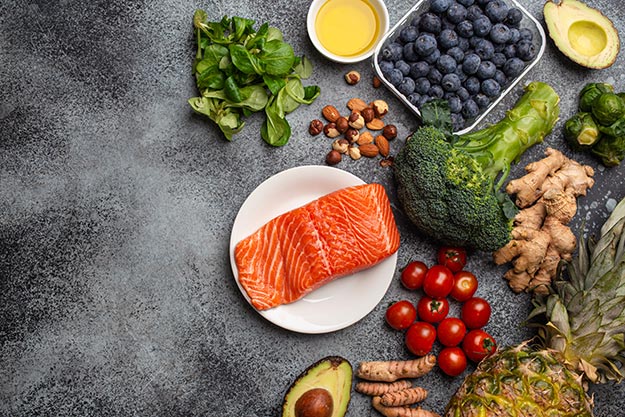
No single food repairs an enlarged prostate. The seven foods below are linked specifically to lower prostate cancer risk. Relieving urinary symptoms from prostate enlargement is a separate issue addressed earlier by cutting back on caffeine, alcohol, and acidic or spicy foods. The PSA testing page covers how often to retest once you’ve made these changes.
1. Salmon
Consuming fatty fish helps reduce the risk of prostate cancer by about 70% and the risk of mortality from the condition by around 50%. Fish high in healthy fats and calcium, plus omega-3’s, contribute to reducing inflammation.
2. Tomatoes
Cooked tomatoes play a crucial role in lowering the risk of developing prostate cancer. According to a study, guys who ate cooked tomatoes regularly had a 28% lower risk of prostate cancer than those who never ate them. Tomatoes packed with lycopene are an antioxidant that acts on prostate tissue. According to the Harvard T.H. Chan School of Public Health, cooking tomatoes into sauce or paste breaks down plant cell walls to release more bioavailable lycopene than eating them raw, and pairing them with olive oil improves absorption because lycopene is fat-soluble. Watermelon and pink grapefruit serve as additional dietary sources of the same antioxidant. Because no commercial sauce brand has proven superior for prostate health, select a plain sauce or paste without added sugar or excess sodium.
3. Berries
Resveratrol present in berries was found to help prostate cancer cells become more sensitive to radiation therapy. Strawberries, raspberries, and blackberries are high in antioxidants, which assist the body in fighting sickness and inflammation.
4. Broccoli
One study has shown that broccoli sprout consumption was linked to reducing prostate cancer incidence. Sulforaphane, found in all cruciferous vegetables, including broccoli, is a cancer-fighting compound.
5. Nuts
Brazil nuts are rich in selenium and other essential minerals like vitamin E and calcium. Selenium content varies enough between nuts that a handful is hard to price, which we work through in the selenium dose in a Brazil nut. A study indicated that selenium in nuts combined with soy might help fight against prostate cancer. If prostate cancer runs in your family, the PSA testing page covers how that changes your screening timeline.
6. Poultry and Fish
Skinless chicken breast, turkey, and fish are the standard swap for red meat. Fish carries the added benefit of omega-3s: each additional 20 grams of fish eaten per day was linked to a 12% lower risk of dying from prostate cancer, according to a dose-response meta-analysis of prospective cohort studies.
7. Beans, Lentils, and Soy
Beans, lentils, and soy foods like tofu, edamame, and soy milk add protein without the saturated fat that comes with red meat. Soy also contains isoflavones, plant compounds a meta-analysis of 30 studies tied to a lower prostate cancer risk. The Prostate Cancer Foundation lists nuts, beans, and soy among its recommended protein sources.
Are Eggs, Shellfish, and Canned Fish Safe for Your Prostate?
Plain eggs, shellfish, and canned fish are not on the avoid list above, but the evidence on eggs specifically is mixed. A cohort study highlighted by the American Cancer Society found that eating eggs with the yolk was linked to a higher risk of advanced prostate cancer and of dying from it, while a separate meta-analysis found no overall association between egg intake and prostate cancer risk. Shellfish and canned fish carry the same omega-3s as fresh fish, and nothing on this page's list ties either one to a higher prostate cancer risk. Given the mixed data on eggs, a physician can help you weigh how much to eat against your own history and lab results.
Is Zinc Good for Your Prostate?
Zinc supports normal prostate function when you obtain it through food, as healthy prostate tissue naturally maintains higher concentrations of the mineral than any other soft tissue in your body. Dietary sources such as oysters, beef, pumpkin seeds, and nuts fit cleanly into a balanced diet and support normal immune function. The evidence on zinc supplements specifically is mixed, and research cited by the NIH Office of Dietary Supplements links high-dose supplemental zinc to an increased risk of advanced prostate cancer. Talk with your physician before starting any zinc supplement above the recommended daily amount to verify whether supplementation makes clinical sense for your routine.
Are There Any Herbal Remedies for Prostate Cancer?
No clinical evidence shows that herbal remedies can treat, prevent, or slow prostate cancer. Herbal supplements are not a substitute for standard medical evaluation and care, and active compounds can interfere with prescription therapies or lab monitoring. Discuss every supplement with your urologist or oncologist so your care team can evaluate safety alongside your medical treatment plan.
What Are the Warning Signs of Prostate Problems You Shouldn’t Ignore?
A change in urination, blood in the urine, or pain in the belly, lower back, or pelvis are signs to bring to a doctor rather than try to fix with diet. According to the National Institute of Diabetes and Digestive and Kidney Diseases, watch for:
- Trouble starting a urine stream, or a weak stream
- Urinating eight or more times a day, or waking often at night to urinate
- Blood in the urine
- Pain in the belly, lower back, or between the scrotum and anus
Being unable to urinate at all is a medical emergency. For how prostate health gets measured, from PSA to physical exam, see the PSA testing page.
Diet alone does not treat an enlarged prostate. It can ease symptoms and support overall prostate health. A physician still needs to confirm the diagnosis, rule out other causes, and decide whether medication or another treatment is also necessary. There is a lot to think about – we understand. If you have questions about prostate health or any of the conditions discussed here, connecting with a doctor in a discrete setting has never been easier. For what a first visit involves, see how Opt Health works.
Opt Health is a telehealth platform that reconnects men with wellness, fitness, strength, and sexual vitality through scientific preventative medicine. From your own home, you can schedule with a physician, meet one-on-one via video conference, receive test results, and have medications delivered to your door. Membership pricing and what’s included are on the memberships page. Compare pricing by tier before you book your first visit.
For questions, inquiries, or appointments, don’t hesitate to contact us. Get personalized support and insight from top-tier physicians available 24/7.
Read more Opt Health Blogs
Get industry insights and hot news around the world of men’s health. We bring to you helpful and educational resources in our blog.
You might also like


Start Today
Your health, your terms. Discover how personalized care can transform not just the way you feel, but how you live.