Stamina is the body’s ability to sustain the effort for an extended period. Enhancing your stamina builds up your body’s endurance so you can use your energy effectively.
Training your body’s resilience and strength takes gradual effort. It may also encompass not only physical but also mental training. The following are the ways to improve your stamina and endurance:
Exercise
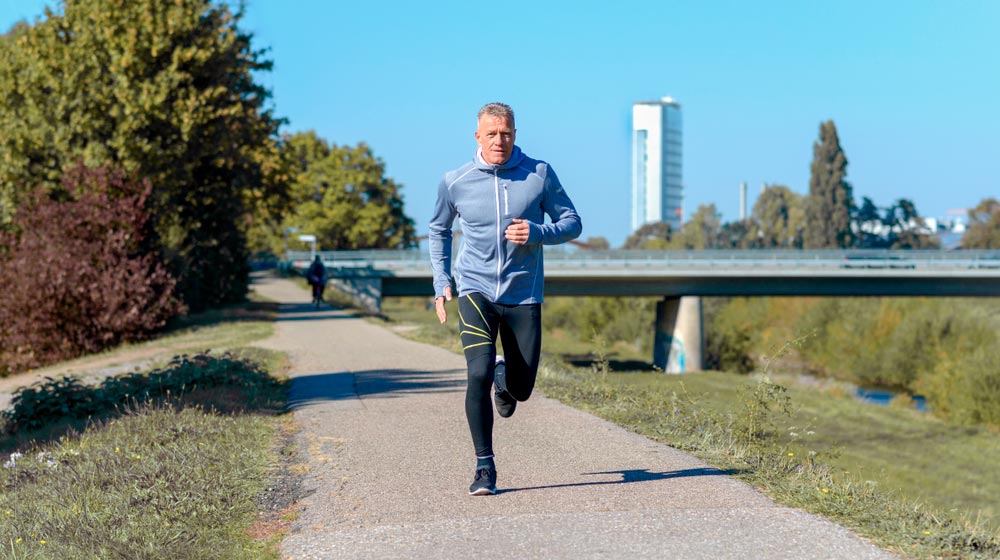
Exercise is an excellent way to build stamina whether you are preparing for a sports marathon, looking to boost your performance in the bedroom, or strength training to perform your daily tasks.
If you are a beginner, you may start with a workout that you find engaging. This increases your motivation to do physical activity consistently. Whether you are up for gym sessions or sports, the key is to increase the intensity of the activity gradually. This helps the body adjust and, at the same time, not get used to the same level of challenge.
Here are essential things when you do a physical exercise to increase your stamina:
Warm-up
Warm-up and stretching exercises are a vital inclusion to rev up your body before a workout. If done right, even a 5-10 minute stretch can reduce the risk of muscle soreness and injury.
Resting Period
Monitor the duration of each exercise and gradually decrease the resting period. For instance, if you do 20 repetitions and rest for a minute and a half, the next time, try to reduce the rest time to a minute.
Strength and Cardio
Both strength and cardio exercises are beneficial for building muscles, increasing power, and improving cardiovascular health. Make the most out of your time at the gym by incorporating these in your workouts.
Create Your Pump Up Playlist
Listening to music not only influences your mood, but it can also improve your exercise performance, stamina, and endurance. A study has found that this effect works by increasing work capacity or delaying fatigue. This results in a higher power, productivity, strength, and endurance.
Top up your workout sessions by making a playlist of your favorite songs, especially those upbeat ones that make you feel confident and positive.
Keep Your Body Hydrated
If you are a regular exerciser, maintaining an adequate amount of water supply in your body is necessary to perform. Water helps regulate body temperature, transports nutrients for energy, and lubricates the joints. Meanwhile, dehydration leads to muscle fatigue that causes hindrance in athletic performance and loss of coordination.
When you workout, you have to drink more to replace the lost fluids during sweat. The following is the recommended water intake according to the American Council on Exercise:
17 to 20 ounces of water two hours before exercise.
7 to 10 ounces of fluid every 10 to 20 minutes during exercise
16 to 24 ounces of fluid for every pound of body weight lost after exercise.
Always keep a bottle of water with you, especially during workouts, so you won’t be tempted to resort to sugary drinks.
Get Enough Sleep
Sleep and recovery are necessary, especially after a day of intense strength exercise. This allows your body to have enough time to repair tissues and muscles and build strength.
A good night’s sleep is associated with improved performance and competitive success. It may also reduce the risk of injury and illness. On the other hand, sleep deprivation causes lower alertness and concentration delays in reaction time slower.
RELATED:The Science of Self-Assurance: How to be More Self Assured
Fill Up on Power Foods
To be able to increase your stamina, you first need the energy to perform and train your body. A proper diet is just as essential as the exercise, perhaps, even more. Proper nutrition fuels your body and helps in recovery before, during, and after workouts. Eat nutritious meals containing a proper balance of macros – protein, carbs, and fats – together with vitamins and minerals.
Try Natural Herbs
While caffeine may help muscular endurance, particularly in the knee extensor group, it may cause tiredness after the effect wears off.
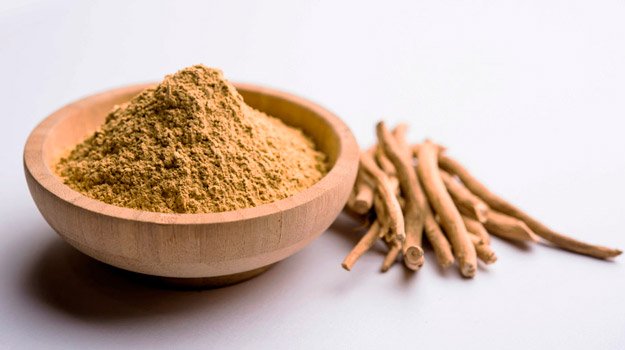
An alternative could be natural herbs such as Ashwagandha and American ginseng. Ashwagandha is known to increase cognitive functions and improve energy levels. American Ginseng contains ginsenosides that are purported to increase endurance and improve memory.
While natural herbs are generally safe, it is best to consult with your doctor if you have further concerns or are currently taking other medications that may negatively affect supplements.
Building your stamina may take a lot of effort and patience at first since the improvement is gradual. The key is to find a balance between physical activities, rest, and a healthy diet so you can achieve and maintain your strength and energy.
How to Increase Stamina FAQS
1. What are 5 strategies to Increase Stamina?
ExerciseConsistent physical activity, including both strength training and cardio, improves endurance and energy. Gradually increasing intensity helps the body adapt without injury.
NutritionA balanced diet with adequate protein, healthy fats, and complex carbohydrates fuels the body for longer performance. Staying mindful of nutrient gaps ensures better recovery and energy stability.
SleepQuality sleep (7–9 hours) supports muscle recovery, hormone regulation, and mental focus. Poor sleep lowers stamina and increases risk of fatigue or illness.
Interval TrainingHigh-intensity interval training (HIIT) builds cardiovascular fitness and muscular endurance more efficiently than steady-state cardio. Short bursts of effort followed by rest condition the body to handle more workload over time.
2. What are the differences between stamina and strength?
Stamina refers to the ability to sustain physical or mental effort over time, while strength is the capacity to generate force in a single effort. In simple terms, stamina is about endurance, whereas strength is about power.
3. What foods should I eat before and after workouts to build stamina?
Before workouts, focus on complex carbohydrates such as whole grains, oats, or fruits to provide steady energy without spikes and crashes. After exercise, combine protein and healthy carbs to support muscle recovery and replenish glycogen stores.
Pre-workout examples: oatmeal with banana, whole grain toast with nut butter, or Greek yogurt with berries.
Post-workout examples: grilled salmon with vegetables, eggs with avocado and sweet potato, or a protein shake with fruit.
4. How much water should I drink daily to support endurance?
Most men benefit from about 15–16 cups (3.5–3.7 liters) of fluids per day, though exact needs vary by body size, activity level, and climate. During exercise, hydration is best maintained by drinking 17–20 ounces two hours before activity, 7–10 ounces every 10–20 minutes during, and 16–24 ounces for every pound of body weight lost afterward.
Need help in increasing your stamina? We at Opt Health specialize in men’s Health and wellbeing. Get personalized support and insight from top-tier physicians available for you 24/7. Contact us today.
Share this post
Share
Subscribe for more
Join our newsletter to get the latest news, tips, and stories from Opt Health.

 Listening to music not only influences your mood, but it can also improve your exercise performance, stamina, and endurance. A study has found that this effect works by increasing work capacity or delaying fatigue. This results in a higher power, productivity, strength, and endurance.
Top up your workout sessions by making a playlist of your favorite songs, especially those upbeat ones that make you feel confident and positive.
Listening to music not only influences your mood, but it can also improve your exercise performance, stamina, and endurance. A study has found that this effect works by increasing work capacity or delaying fatigue. This results in a higher power, productivity, strength, and endurance.
Top up your workout sessions by making a playlist of your favorite songs, especially those upbeat ones that make you feel confident and positive.
 While caffeine may help muscular endurance, particularly in the knee extensor group, it may cause tiredness after the effect wears off.
An alternative could be natural herbs such as Ashwagandha and American ginseng. Ashwagandha is known to increase cognitive functions and improve energy levels. American Ginseng contains ginsenosides that are purported to increase endurance and improve memory.
While natural herbs are generally safe, it is best to consult with your doctor if you have further concerns or are currently taking other medications that may negatively affect supplements.
Building your stamina may take a lot of effort and patience at first since the improvement is gradual. The key is to find a balance between physical activities, rest, and a healthy diet so you can achieve and maintain your strength and energy.
While caffeine may help muscular endurance, particularly in the knee extensor group, it may cause tiredness after the effect wears off.
An alternative could be natural herbs such as Ashwagandha and American ginseng. Ashwagandha is known to increase cognitive functions and improve energy levels. American Ginseng contains ginsenosides that are purported to increase endurance and improve memory.
While natural herbs are generally safe, it is best to consult with your doctor if you have further concerns or are currently taking other medications that may negatively affect supplements.
Building your stamina may take a lot of effort and patience at first since the improvement is gradual. The key is to find a balance between physical activities, rest, and a healthy diet so you can achieve and maintain your strength and energy.