Back
Does Berberine Need Black Pepper to Work?
By GetOPT Review Team · October 14, 2026
·Part of our Insulin Resistance Guide
Berberine does not need black pepper to produce the blood-sugar effects reported in human trials.1,2 Every lab we order gets read by a physician before anyone is offered a treatment. Pairing berberine with piperine rests on separate findings: berberine is poorly absorbed, and piperine affects proteins that transport and metabolize some compounds.3,4,6 No study has tested the two together, so a physician weighs the combination against your labs and medications.
Does Berberine Need Black Pepper?
No. The human berberine trials did not include black pepper, and they still reported lower blood-sugar markers in adults with type 2 diabetes.1,2 Pairing berberine with piperine is untested, although a reasonable hypothesis sits behind it.
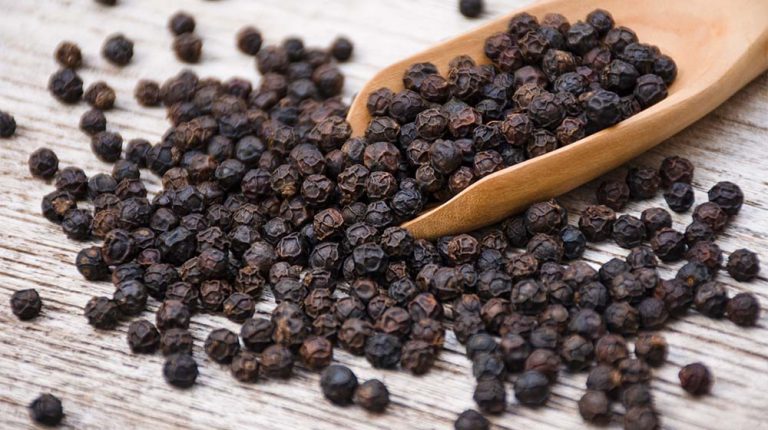
Piperine is a major constituent of black pepper and the ingredient commonly sold as BioPerine. Our piperine and BioPerine guide covers the ingredient in more detail.
The hypothesis starts with bioavailability, which describes how much of an oral compound reaches circulation. Reviews by Liu and Murakami describe low oral bioavailability as a barrier for berberine.3,4 Murakami also reports that berberine is handled by P-glycoprotein (P-gp) and cytochrome P450 (CYP) enzymes.4
Piperine can inhibit some of those same proteins.6 That creates a possible mechanism for improved absorption. Clinical testing has not confirmed the mechanism for berberine.
| Evidence Type | Finding | Relevance to Berberine With Black Pepper |
|---|---|---|
| Human berberine trials | Berberine lowered blood-sugar markers in adults with type 2 diabetes.1,2 | These trials did not include piperine. |
| Animal berberine research | Berberine’s absolute bioavailability was 0.68% in rats, and the absorption enhancer TPGS increased its intestinal absorption.5 | The finding is from rats and did not test piperine. |
| Laboratory piperine research | Piperine inhibited P-gp and CYP3A4 in human cells and liver microsomes.6 | This supports a mechanism hypothesis. It does not establish an effect on berberine in people. |
| Human piperine research | Piperine changed the absorption of curcumin and fexofenadine.7,8 | These results apply to curcumin and fexofenadine. They cannot be transferred to berberine. |
| Berberine plus piperine | No human, animal, or laboratory study has measured berberine absorption with piperine. | The combination remains untested. |
The human berberine evidence does not support paying more for black pepper extract as a required ingredient. If a product contains both compounds, your medication list deserves closer review because each ingredient can affect drug processing.
A supplement aimed at one glucose result can mask a broader metabolic problem. Fasting glucose, HbA1c, and lipids should be measured first, then read together with your medication list.
Berberine Absorption in the Body
Berberine is difficult to absorb because several barriers limit how much reaches circulation. Murakami’s analysis of rat data traces this to CYP-driven metabolism in the intestine, poor membrane permeability from low solubility and P-gp efflux back into the gut, and first-pass metabolism in the liver.4
A rat study measured absolute bioavailability at 0.68%.5 That number belongs to rats. It does not establish how much berberine people absorb. Skin patches are sold as a way around the gut, and the evidence on berberine patches shows what has and has not been measured.
Low bioavailability also does not mean berberine has no biological effect. Human trials have reported changes in glucose and lipid markers despite its absorption limits.1,2 Your physician should judge the value of berberine from measured outcomes rather than an absorption claim on a product label.
Piperine Findings From Other Compounds
Piperine has increased blood levels of curcumin and fexofenadine in people, and each result applies only to the compound tested.7,8 Bhardwaj found that piperine inhibited P-gp and CYP3A4 in laboratory models using human cells and liver microsomes.6
Shoba tested piperine with curcumin in rats and human volunteers. Curcumin serum concentrations increased when piperine was added.7 This was a curcumin study. It did not measure berberine.
Bedada studied piperine with fexofenadine in 12 healthy volunteers. Piperine altered fexofenadine absorption in a finding the authors linked to P-gp inhibition.8 The study also shows why an absorption enhancer can affect medication exposure.
Better absorption is not automatically better for every compound. If piperine changes the level of a prescription medication, the change can affect both treatment response and side effects. A physician or pharmacist should review piperine against your complete medication list.
Human Findings for Blood Sugar and Lipids
Berberine has lowered glucose and lipid markers in small trials involving adults with type 2 diabetes. Yin randomly assigned 36 adults with newly diagnosed type 2 diabetes to berberine or metformin for three months.1 Hemoglobin A1c (HbA1c), which reflects average blood sugar over the preceding months, fell from 9.5% to 7.5% in the berberine group. Fasting glucose, post-meal glucose, and triglycerides also declined.1
The same publication reported a second trial involving 48 adults with poorly controlled type 2 diabetes whose treatment was supplemented with berberine. HbA1c fell from 8.1% to 7.3% over three months.1
Dong pooled 14 randomized trials involving 1,068 participants.2 Berberine did not provide better glucose control than the oral diabetes medications used as comparators. The review found a mild effect on abnormal lipid levels, but it rated the overall methodological quality as generally low.2
These results apply to people with type 2 diabetes. They do not establish a weight-loss effect in people without diabetes or support berberine as a standalone weight treatment. Your fasting glucose, HbA1c, and lipid panel provide a better basis for deciding whether any metabolic plan is working.
Side Effects and Medication Interactions
In Yin’s pilot trials, 20 participants, or 34.5%, experienced transient gastrointestinal adverse effects.1 That figure comes from one small research program and should not be treated as a general side-effect rate.
Dong reported no serious adverse effects across the trials in its meta-analysis, but the authors also identified small samples, low methodological quality, and uncertain bias.2 Long-term safety cannot be inferred from these short, small trials.
Berberine can also change how the body processes medications. In healthy men, repeated berberine administration inhibited CYP2D6, CYP2C9, and CYP3A4 activity.9 Piperine inhibits P-gp and CYP3A4 in laboratory models and has altered drug absorption in a small human study.6,8 No experiment has measured the combined interaction effect of berberine and piperine.
The National Center for Complementary and Integrative Health advises people taking medication to speak with a healthcare professional before using goldenseal or other herbal products.10 Its goldenseal guidance also says pregnant or breastfeeding women should not use goldenseal, that infants should not be given it, and that goldenseal’s berberine constituent can be harmful to newborns.10 This warning is written for berberine-containing goldenseal.
A product label cannot account for your medication metabolism or current glucose levels. If you take prescriptions, manage diabetes, or use several supplements, have the full combination reviewed before starting berberine with black pepper.
Metabolic Markers and Physician Follow-Up
Berberine should be evaluated against the marker you are trying to change. Fasting glucose shows your blood sugar at a single point. HbA1c reflects a longer period, while triglycerides and other lipids help describe your broader metabolic pattern.
A continuous glucose monitor can add information about glucose changes throughout the day when clinically appropriate. It does not replace HbA1c, fasting labs, or physician interpretation.
One improved reading may be useful, but related markers provide more context. A physician can compare fasting glucose, HbA1c, lipids, symptoms, medications, and changes over time. The Opt Health biomarker guide explains how that pattern informs a personalized plan.
Supplements also need a defined purpose. Our guide to the best supplements for men explains why your baseline health and nutritional needs should shape that decision.
The Opt Take on Berberine With Black Pepper
Before berberine or piperine enters a plan, an Opt Health physician checks your metabolic markers and complete medication list for interactions. The process starts with 55+ biomarkers collected at home or at a partner lab and a 1:1 physician review. Labs and a physician consultation repeat every 3 to 4 months to show whether anything you take is moving your numbers.
Berberine with black pepper should be judged by your labs, medications, and treatment goals. The pairing has a plausible absorption mechanism, but no experiment has tested whether piperine increases berberine levels or improves its clinical effects.
At Opt Health, we begin with comprehensive labs and a physician consultation. Your physician reads related metabolic markers together, reviews your prescriptions and supplements, and builds a plan around the pattern. Follow-up labs show whether the plan changed the intended marker, which allows your physician to adjust it over time.
That process also protects you from treating one number in isolation. Berberine may fit some plans, while a medication interaction or a different metabolic driver may change the decision for you.
Get started: Begin with Opt Health, where a physician reads your labs, builds your plan, and adjusts it over the loop.
Frequently Asked Questions
No. Human berberine trials reported changes in blood-sugar and lipid markers without black pepper.1,2 Piperine affects proteins involved in transporting and metabolizing some compounds, but no experiment has shown that it increases berberine absorption.
Repeated berberine inhibited CYP2D6, CYP2C9, and CYP3A4 in healthy men, and the study authors advise considering drug interactions whenever berberine is used.9 If you take any prescription medication, have your physician or pharmacist review it before adding berberine.
The combination has not been tested for absorption, blood-sugar effects, lipid effects, or weight loss. Berberine alone has lowered glucose and lipid markers in small trials of people with type 2 diabetes.1,2 Piperine affects P-gp and CYP3A4, which creates an unconfirmed absorption hypothesis.6
No evidence-based piperine amount has been established for use with berberine. Product amounts are set by each manufacturer, and no trial cited here tested a berberine-piperine combination. A physician should review the product and your medications before you take them together.
Berberine can cause gastrointestinal symptoms and can affect enzymes that process medications.1,9 Piperine can also alter the absorption of some drugs.6,8 The combination deserves physician review if you take prescriptions or use medication for blood-sugar control.
Morning versus evening timing has not been established in the berberine trials cited here. Before using berberine with black pepper, ask your physician to set timing around your medications, glucose treatment, and lab follow-up.
Blood-sugar supplements should be evaluated against your metabolic markers and complete medication list. An Opt Health membership pairs 55+ biomarkers with a 1:1 physician review and repeat labs every 3 to 4 months, so your plan can be adjusted from measured results.
References
- Yin J, Xing H, Ye J. Efficacy of berberine in patients with type 2 diabetes mellitus. Metabolism. 2008;57(5):712-717. https://pubmed.ncbi.nlm.nih.gov/18442638/
- Dong H, Wang N, Zhao L, Lu F. Berberine in the treatment of type 2 diabetes mellitus: a systemic review and meta-analysis. Evid Based Complement Alternat Med. 2012;2012:591654. https://pubmed.ncbi.nlm.nih.gov/23118793/
- Liu CS, et al. Research progress on berberine with a special focus on its oral bioavailability. Fitoterapia. 2016;109:274-282. https://pubmed.ncbi.nlm.nih.gov/26851175/
- Murakami T, et al. Approaching strategy to increase the oral bioavailability of berberine, a quaternary ammonium isoquinoline alkaloid: Part 1. Physicochemical and pharmacokinetic properties. Expert Opin Drug Metab Toxicol. 2023;19(3):129-137. https://pubmed.ncbi.nlm.nih.gov/37057922/
- Chen W, et al. Bioavailability study of berberine and the enhancing effects of TPGS on intestinal absorption in rats. AAPS PharmSciTech. 2011;12(2):705-711. https://pubmed.ncbi.nlm.nih.gov/21637946/
- Bhardwaj RK, et al. Piperine, a major constituent of black pepper, inhibits human P-glycoprotein and CYP3A4. J Pharmacol Exp Ther. 2002;302(2):645-650. https://pubmed.ncbi.nlm.nih.gov/12130727/
- Shoba G, et al. Influence of piperine on the pharmacokinetics of curcumin in animals and human volunteers. Planta Med. 1998;64(4):353-356. https://pubmed.ncbi.nlm.nih.gov/9619120/
- Bedada SK, et al. The influence of piperine on the pharmacokinetics of fexofenadine, a P-glycoprotein substrate, in healthy volunteers. Eur J Clin Pharmacol. 2017;73(3):343-349. https://pubmed.ncbi.nlm.nih.gov/27981349/
- Guo Y, et al. Repeated administration of berberine inhibits cytochromes P450 in humans. Eur J Clin Pharmacol. 2012;68(2):213-217. https://pubmed.ncbi.nlm.nih.gov/21870106/
- National Center for Complementary and Integrative Health. Goldenseal. Accessed October 5, 2026. https://www.nccih.nih.gov/health/goldenseal
This content is for informational purposes and does not replace evaluation, diagnosis, or treatment by a qualified medical professional.
This article is part of our guide to insulin resistance. See how physician-guided metabolic health management works at Opt Health.



Start Today
Your health, your terms. Discover how personalized care can transform not just the way you feel, but how you live.