
Back
 By GetOPT Review Team · Reviewed by Jeremie Walker, MD, MBA · September 14, 2026 · Part of our Energy Guide
How To Destress In Unprecedented Times
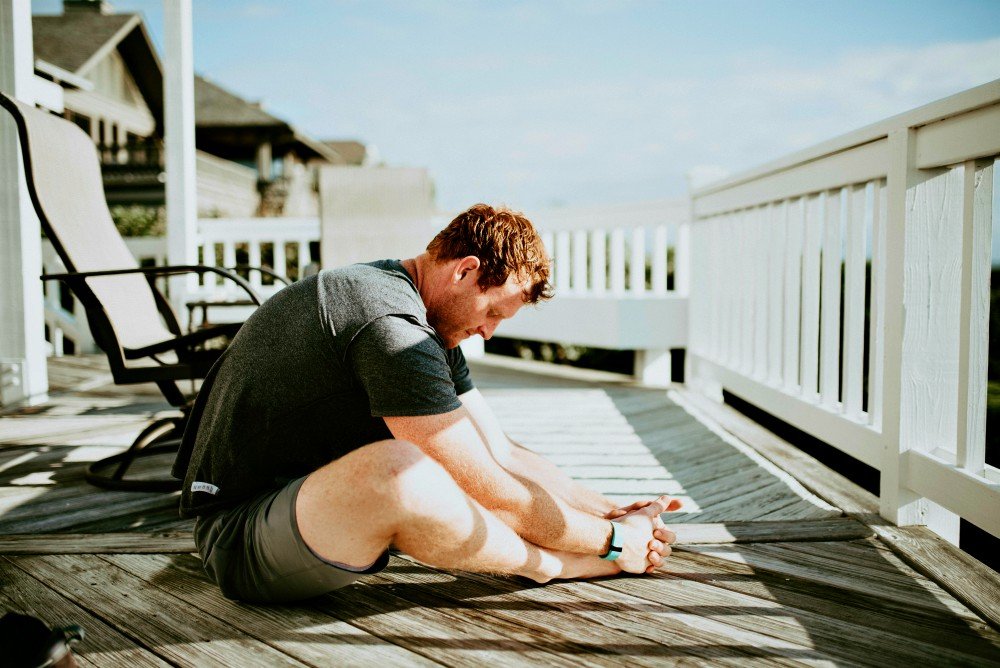
The election, the pandemic, and working from home are all giving us reasons to stress out. Dr. Graham Simpson of Opt Health, a telehealth app, says the goal is all about self-care.
Video Copyright 2020 CNN Newsource. All rights reserved.
Chronic Stress Effects on the Body
Chronic stress can flatten the normal daily cortisol rhythm and disrupt sleep, glucose regulation, blood pressure, visceral fat storage, and sex-hormone signaling. Cortisol usually rises around waking, reaches its peak soon afterward, and declines toward bedtime. The nighttime concentration is normally much lower than the morning concentration.
Chronic psychosocial stress is associated with a flatter slope, which often combines a weaker morning rise with more cortisol later in the day. A 2017 systematic review and meta-analysis in Psychoneuroendocrinology linked flatter diurnal slopes with poorer mental and physical health outcomes. Higher evening cortisol is associated with trouble settling to sleep. A weaker morning rise is associated with morning fatigue, and repeated arousals fragment the sleep period.
Stress also activates sympathetic nerves, increasing heart rate and vascular tone. Repeated sympathetic activation is associated with higher blood pressure. Cortisol changes liver glucose output and insulin action, which affects blood sugar handling. In adipose tissue, chronic glucocorticoid exposure favors fat storage around abdominal organs. Sustained stress signaling also suppresses hypothalamic and pituitary signals involved in testosterone and other sex-hormone production. A Nature Reviews Endocrinology review of the stress system describes these effects across metabolism, cardiovascular function, and reproduction.
Symptoms alone do not identify cortisol as the cause. Timed results and a broader clinical review give your physician a better basis for deciding whether stress physiology fits the symptoms.
Markers of Stress Load
Your physician assesses stress load by combining timed cortisol with trends in blood pressure, glucose regulation, sex hormones, resting heart rate, and heart rate variability. Cortisol carries a strong clock signal. A random blood draw shows the concentration at one moment but cannot reveal the morning-to-evening curve. Diurnal cortisol studies therefore collect repeated samples at defined times, as described in the 2017 review of cortisol slopes.
Blood pressure varies with acute stress, caffeine, exercise, pain, and the clinical setting. Repeated readings help your physician separate persistent elevation from a short spike. Fasting glucose shows how much glucose remains in circulation after an overnight fast. Fasting insulin shows how much insulin the body is producing to maintain that glucose level. Prolonged stress-axis activity can suppress reproductive signaling, so your physician interprets sex hormones alongside symptoms and sample timing.
Resting heart rate gives the baseline pulse without current exertion. Heart rate variability measures changes in the interval between beats and reflects autonomic modulation of the heart. Stress often raises resting heart rate and lowers heart rate variability, but illness, fitness, breathing, posture, sleep, and device methods affect both readings. The joint heart-rate variability standards emphasize standardized recordings when comparing trends.
The Opt app connects to most fitness trackers, including Apple Watch, Garmin, and Fitbit. The Opt Performance Score draws from wearables, check-ins, and quarterly labs. No marker diagnoses chronic stress alone. Timing and trends give your physician a clinical pattern to compare with sleep, symptoms, medication use, and medical history.
Evidence-Supported Stress Interventions
Consistent sleep timing comes first because sleep loss alters the stress system the next day. In a controlled study published in Sleep, partial sleep loss slowed the evening decline in cortisol and raised late-day concentrations. A regular wake time and adequate sleep opportunity reinforce the circadian timing that governs cortisol release and sleep pressure.
Resistance-training studies measure change after programs lasting several weeks. A 2017 meta-analysis in Sports Medicine found that resistance exercise reduced anxiety symptoms across randomized trials, although training plans and study populations varied. Your physician can account for health conditions, recovery, and injury history when discussing load-bearing exercise.
A 2023 randomized trial in Cell Reports Medicine tested five minutes a day of structured breathing over one month. Breathwork improved mood and reduced respiratory rate. Exhale-focused cyclic sighing produced the largest increase in positive mood among the tested practices. Evidence does not establish one breathing pattern for every cause of stress, so your physician interprets persistent symptoms before treating them as stress alone.
An Alcoholism: Clinical and Experimental Research review found that alcohol often shortens sleep onset, then increases sleep disruption in the second half of the night. As alcohol is metabolized, its sedating effect fades and sleep becomes lighter. Begin with a stable sleep window and build resistance work over weeks. Use one repeatable breathing protocol. Treat alcohol as a sleep disruptor and bring persistent fatigue, insomnia, or sexual symptoms to your physician.
The Opt Take on Stress and Your Labs
Persistent sleep problems, low energy, body-composition changes, or sexual symptoms deserve a medical review. Opt Health starts with an initial panel of 55+ biomarkers spanning hormones, inflammation, cardiovascular risk, and more. An Opt Health physician reviews the results with you in a 1:1 consultation and sets a plan.
Depending on your membership, follow-up labs and a physician consultation come two to four times a year, so a stress load shows as a trend rather than a single reading. We review your existing conditions and current medications at the first consultation, because both change how your results should be read.
Your first result provides a baseline. Repeated panels let your physician compare later results with the baseline and adjust your plan as the trend develops.
Get started: Begin with Opt Health, where a physician reads your labs, builds your plan, and adjusts it over the loop.
Subscribe for more
Join our newsletter to get the latest news, tips, and stories from Opt Health.
Here are five tips to destress:
- Move – you can release feel-good endorphins by walking or even stretching.
- Breathe – take time to recenter and rest your mind.
- Sleep – regular sleep can help boost mood and allow your body to reset.
- Boost Mood – Do things that make you happy such as a hobby or learning something new to boost your mood.
- Check Nutrient Levels – If they’re out of balance, you could still be struggling even if you’re following the right steps.
See how we can help you, visit GetOpt.com for details.
This article is part of our guide to energy. See how Opt Health works up the causes of low energy.


Start Today
Your health, your terms. Discover how personalized care can transform not just the way you feel, but how you live.