
A naturally thin man attempting to build muscle often faces an appetite barrier instead of a training limitation. Standard muscle-building advice recommends eating larger portions of staple athletic foods, but large volumes of fibrous carbohydrates and dry meats trigger fullness before you reach your daily energy requirements. Pair high-calorie foods with a structured daily eating cadence to create a sustained caloric surplus without abdominal discomfort.
While our general best bulking foods reference outlines classic dietary staples for building mass, hard gainers require a strategy specifically tailored to low hunger and quick satiety. Foods that deliver dense energy in a smaller physical volume support lean tissue growth consistently.
The Appetite Challenge in Weight Gain
Gaining lean mass requires consuming more energy than you expend each day. For men with naturally lean frames, high baseline activity levels, or faster resting metabolic rates, this energy threshold can be difficult to satisfy through standard meals.
Gastric volume represents the primary obstacle. High-volume foods like plain oats, boiled potatoes, large salads, and dry poultry stimulate stomach stretch receptors quickly. These mechanical signals trigger satiety hormones that tell the brain you are full, often long before you have consumed enough total energy. A man who forces down two or three oversized meals each day frequently experiences sluggishness, bloating, and poor digestion. That discomfort then suppresses his appetite for the rest of the day.
Hard gainers also tend to overestimate their actual food intake. Feeling physically full creates the impression that you have eaten an enormous amount of food, even when the total calories remain below maintenance levels. To gain mass predictably, you need to shift toward foods that provide high energy density relative to their physical volume.
Protein Targets and Feeding Frequency
Building new muscle tissue requires sufficient dietary amino acids alongside progressive resistance exercise. The International Society of Sports Nutrition (ISSN) position stand on protein and exercise states that an overall daily protein intake of 1.4 to 2.0 g of protein per kg of body weight per day is sufficient for most exercising individuals to build or maintain muscle mass through a positive muscle protein balance.1
The timing of this intake directly affects appetite management. The same ISSN position stand recommends spreading protein intake across the day in doses of roughly 20 to 40 g of protein every 3 to 4 hours (about 4 to 6 meals or feedings a day) to support muscle protein synthesis.1
Divide your protein intake across four to six feedings to avoid the digestive burden of two or three massive meals. A dose of 20 to 40 g of protein at each sitting keeps individual meal volume small.1 This cadence lets your stomach empty comfortably between feedings while supplying steady amino acids for muscle repair. Our protein intake calculator turns this range into a daily gram target based on your own body weight.
Calorie-Dense Options for Smaller Appetites
When hunger is low, foods with high energy density let you increase total calorie intake without expanding meal size. Dietary fat provides more energy per gram than carbohydrate or protein, making fat-rich whole foods practical tools for a hard gainer.
Liquid calories offer a reliable path past a suppressed appetite. Liquid meals do not require chewing and pass through the stomach faster than solid fibrous food. Blending whole milk or plant milks with nut butters, yogurt, and fruit creates an energy-dense shake that can be consumed in minutes. Drinking a shake between solid meals adds substantial nutrition without leaving you uncomfortably full for your next meal.
Fats and nut butters can also be incorporated directly into regular meals. Stirring peanut butter or almond butter into warm oatmeal increases energy density without adding visible bulk. Adding olive oil to cooked rice, vegetables, pasta, or meat supplies concentrated energy without filling up the stomach.
Whole-food choices should balance nutrient quality with calorie density. According to USDA FoodData Central, 100 g of raw avocado provides 160 kcal, 2.0 g of protein, 14.7 g of fat, and 8.53 g of carbohydrate.2 The fat content in avocado delivers meaningful calories in a modest portion, and its smooth texture makes it easy to blend into smoothies or add as a topping to rice bowls and eggs.
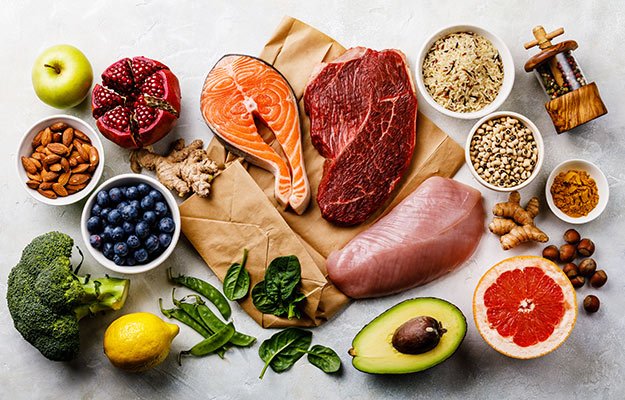
Animal proteins also provide varying levels of energy density. While skinless chicken breast and white fish are lean, incorporating whole eggs, chicken thighs, salmon, and ground beef supplies both protein and natural dietary fats. Dairy foods like cheddar cheese, whole milk, and cottage cheese provide convenient options for increasing protein and total calories together. For portable snacks, dried fruit and trail mix concentrate fruit carbohydrates and nut fats into compact servings that require little digestive effort.
A Daily Feeding Schedule for Steady Intake
Structure your day around regular eating intervals to hit your energy target without force-feeding. The ISSN recommendation of feeding every 3 to 4 hours breaks your daily intake into manageable events.1
A practical daily rhythm might follow this structure:
- Breakfast: Whole eggs cooked in butter or olive oil, paired with fruit and oatmeal prepared with whole milk.
- Mid-Morning Feeding: A blended smoothie made with whole milk, yogurt, fruit, and nut butter.
- Lunch: Ground beef, salmon, or chicken served with white rice and sliced avocado.
- Afternoon Snack: A handful of trail mix with dried fruit, paired with cheese.
- Dinner: Beef, fish, or poultry served over pasta or potatoes, finished with olive oil.
- Evening Feeding: Cottage cheese with fruit, or a small dairy shake before sleep.
This structure relies on moderate plate sizes and frequent nutrition rather than two or three uncomfortably large meals. Calorie-dense additions like oils, nut butters, and avocado keep total food volume modest.
Coupled with a progressive resistance training program, this steady eating pattern provides the materials needed for muscle gain. If you are seeking to adjust your training and nutrition targets simultaneously, our improve body composition framework provides structured guidance for balancing tissue gain and metabolic health.
The Opt Take on Bulking as a Naturally Thin Man
A consistent calorie surplus and adequate protein intake form the foundation of muscle gain. However, when an athletic man struggles to gain weight despite eating diligently, underlying physiological factors deserve careful evaluation alongside his grocery list.
A suppressed appetite, sluggish digestion, or a stubbornly high metabolic rate can have a hormonal or metabolic component. Thyroid function, cortisol, and sex hormones are among the patterns a physician-led workup looks at. Eating more is not a complete answer for a hard gainer until a physician has checked why his body keeps resisting the surplus.
At Opt Health, we evaluate body composition through comprehensive diagnostics. Our intake panel evaluates 55+ biomarkers spanning metabolic health, cardiovascular markers, inflammation, and hormone regulation. An Opt Health physician conducts a one-on-one video consultation to review your labs, medical history, and daily symptoms, identifying potential barriers to healthy weight gain. With follow-up testing and physician consultations every 3 to 4 months, your protocol is adjusted based on measurable physiological data rather than guesswork.
Get started: Begin with Opt Health, where a physician reads your labs, builds your plan, and adjusts it over the loop.
Frequently Asked Questions
You may be choosing foods that create intense physical fullness before you reach a caloric surplus. In addition, naturally lean men often have higher daily energy expenditures from spontaneous movement and resting metabolism, meaning standard portion sizes may simply fall short of the required energy threshold.
The International Society of Sports Nutrition recommends 1.4 to 2.0 g of protein per kg of body weight per day for exercising individuals seeking to build or maintain muscle mass.1 Consuming 20 to 40 g of protein every 3 to 4 hours across four to six feedings supports muscle protein balance while keeping meal volumes manageable.1
Focus on calorie-dense foods that deliver high energy in small volumes, such as smoothies, whole milk, nut butters, olive oil, and avocado. Liquid calories and four to six modest meals spaced 3 to 4 hours apart meet your energy needs without painful fullness.1
References
- Jäger R, Kerksick CM, Campbell BI, et al. International Society of Sports Nutrition Position Stand: protein and exercise. J Int Soc Sports Nutr. 2017;14:20. https://pmc.ncbi.nlm.nih.gov/articles/PMC5477153/. Accessed October 12, 2026.
- U.S. Department of Agriculture. FoodData Central, fdcId 171705. https://fdc.nal.usda.gov/food-details/171705/nutrients. Accessed October 12, 2026.
This content is for informational purposes and does not replace evaluation, diagnosis, or treatment by a qualified medical professional.
This article is part of our guide to weight loss. See the doctor-guided weight loss program at Opt Health.

Start Today
Your health, your terms. Discover how personalized care can transform not just the way you feel, but how you live.