Back
Keto Food List With Net Carbs per 100 g
By GetOPT Review Team · September 25, 2026
·Part of our Weight Loss Guide
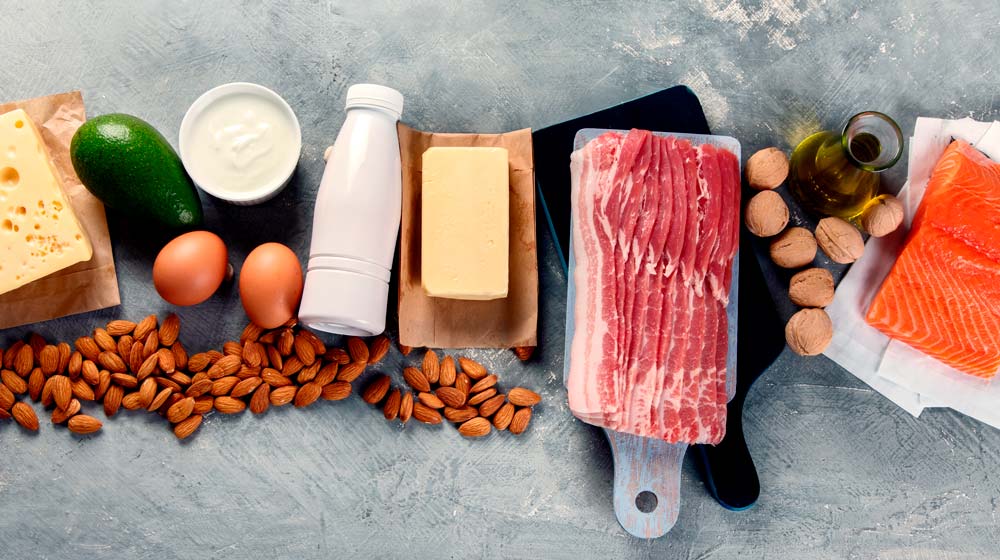
Keto meals are built on meat, fish, eggs, non-starchy vegetables, cheese, butter, oils, and some nuts, with total carbohydrate under 50 g a day and sometimes as low as 20 g, according to Harvard T.H. Chan School of Public Health.1 At Opt Health, we treat food choices as one part of a physician-led plan built around your labs, symptoms, and goals. A keto food list helps you choose lower-carbohydrate foods, but your daily total determines how each food fits.
Keto Foods to Eat, With Net Carbs per 100 g
A useful keto food list starts with foods that contain little carbohydrate or enough fiber to lower the calculated net amount. The figures come from USDA FoodData Central and apply to the exact food descriptions shown.2
Non-Starchy Vegetables
Non-starchy vegetables give you more variety while keeping carbohydrate intake easier to manage. Raw kale has 0.3 g calculated net carbs per 100 g, while raw spinach has 1.4 g. Broccoli, cauliflower, zucchini, peppers, cucumber, asparagus, mushrooms, and tomatoes also fit within a carefully planned daily total.
The numbers still add up across your day. If vegetables appear in several meals, include each one in your carbohydrate count. You can use our highest-fiber foods reference when you want to compare other sources of dietary fiber.
Meat, Fish, and Eggs
The listed chicken, beef, and salmon records contain no carbohydrate. Whole raw egg contains 0.7 g per 100 g. These foods can form the protein base of breakfast, lunch, or dinner.
Keto is not automatically a high-protein diet. Harvard describes ketogenic diets as moderate in protein because amino acids can be converted to glucose, which may interfere with ketosis when protein intake is too high.1 Your protein target should account for the rest of your diet and your activity. Men who train can use the keto diet for men page to place protein within a broader plan.
Dairy and Fats
Olive oil contains no carbohydrate in the USDA record. Salted butter contains 0.06 g of carbohydrate per 100 g, which rounds to 0.1 g calculated net carbs. Cheddar contains 3.4 g, and heavy whipping cream contains 2.8 g.
Dairy needs closer label review because lactose contributes carbohydrate. Harvard notes that some keto plans restrict cream, while hard cheeses and butter may fit more easily.1 If you buy a branded cheese, cream, or flavored dairy product, use its Nutrition Facts label because its values may differ from the generic USDA record.
Nuts, Seeds, and Berries
Nuts and seeds show why total carbohydrate and calculated net carbohydrate can tell different stories. Almonds contain 21.6 g of total carbohydrate and 12.5 g of fiber per 100 g. Chia seeds contain 42.1 g of total carbohydrate and 34.4 g of fiber. Fiber subtraction lowers the calculated net figure, but you still need to track the food against the method used by your plan.
Raspberries and strawberries can fit more easily than bananas or apples when you compare net carbohydrate per 100 g. Harvard includes certain berries in small portions on ketogenic food lists.1 Your daily total remains the deciding number.
| Food | Carbohydrate (g) | Fiber (g) | Net carbs (g) |
|---|---|---|---|
| Spinach, raw | 3.63 | 2.2 | 1.4 |
| Broccoli, raw | 6.64 | 2.6 | 4.0 |
| Cauliflower, raw | 4.97 | 2 | 3.0 |
| Zucchini, raw | 3.11 | 1 | 2.1 |
| Avocado, raw | 8.53 | 6.7 | 1.8 |
| Green pepper, raw | 4.64 | 1.7 | 2.9 |
| Cucumber with peel, raw | 3.63 | 0.5 | 3.1 |
| Asparagus, raw | 3.88 | 2.1 | 1.8 |
| Kale, raw | 4.42 | 4.1 | 0.3 |
| White mushrooms, raw | 3.26 | 1 | 2.3 |
| Tomatoes, raw | 3.89 | 1.2 | 2.7 |
| Whole egg, raw | 0.72 | 0 | 0.7 |
| Salmon, Atlantic, wild | 0 | 0 | 0.0 |
| Salmon, Atlantic, farmed | 0 | 0 | 0.0 |
| Chicken breast, skinless, raw | 0 | 0 | 0.0 |
| Ground beef, 80% lean, raw | 0 | 0 | 0.0 |
| Cheddar cheese | 3.37 | 0 | 3.4 |
| Butter, salted | 0.06 | 0 | 0.1 |
| Heavy whipping cream | 2.84 | 0 | 2.8 |
| Olive oil | 0 | 0 | 0.0 |
| Almonds | 21.6 | 12.5 | 9.1 |
| English walnuts | 13.7 | 6.7 | 7.0 |
| Chia seeds, dried | 42.1 | 34.4 | 7.7 |
| Raspberries, raw | 11.9 | 6.5 | 5.4 |
| Strawberries, raw | 7.68 | 2 | 5.7 |
Net carbs are calculated here by subtracting fiber from total carbohydrate. USDA FoodData Central reports carbohydrate and fiber separately.2
Higher-Carb Foods and How They Fit a Keto Day
Foods with more carbohydrate can use most or all of your daily allowance quickly. Harvard lists grains, flour products, sugars, starchy vegetables, fruit juice, beans, legumes, and most fruits among the foods commonly excluded from ketogenic diets.1
The table shows why. White bread contains 46.7 g calculated net carbs per 100 g, while cooked white rice contains 27.8 g. Bananas, apples, potatoes, black beans, and orange juice also require careful accounting.
Your specific limit depends on the carbohydrate target used by your plan. If your physician or dietitian has set a different target, use that target when deciding whether any of these foods fit.
| Food | Carbohydrate (g) | Fiber (g) | Net carbs (g) |
|---|---|---|---|
| Bananas, raw | 22.8 | 2.6 | 20.2 |
| Apples with skin, raw | 13.8 | 2.4 | 11.4 |
| White rice, long-grain, cooked | 28.2 | 0.4 | 27.8 |
| White bread, commercially prepared | 49.4 | 2.7 | 46.7 |
| Baked potato with skin | 21.2 | 2.2 | 19.0 |
| Black beans, cooked | 23.7 | 8.7 | 15.0 |
| Orange juice, raw | 10.4 | 0.2 | 10.2 |
These figures apply to 100 g of each food. They are not serving estimates. The white rice value applies to cooked, enriched, long-grain rice, while the bread value applies to commercially prepared white bread.2
Total Carbs and Net Carbs
Total carbohydrate is the USDA figure labeled “carbohydrate, by difference.” USDA calculates it from the food’s water, protein, fat, and ash values.2
The net carb column uses a simple calculation:
Net carbs = total carbohydrate minus dietary fiber
Harvard describes “net carbs” and “impact carbs” as unregulated marketing terms. The calculation can become less reliable in processed foods because manufacturers may also subtract sugar alcohols, and those ingredients can differ in absorption and calorie contribution.1
The U.S. Food and Drug Administration defines dietary fiber for food labels as “non-digestible soluble and insoluble carbohydrates (with 3 or more monomeric units), and lignin that are intrinsic and intact in plants; isolated or synthetic non-digestible carbohydrates (with 3 or more monomeric units) determined by FDA to have physiological effects that are beneficial to human health.”3 The FDA definition covers dietary fiber. It does not create a regulated net-carb category.
Harvard’s ketogenic range is based on total carbohydrate under 50 g a day, with some diets going as low as 20 g.1 If your plan uses total carbs, count the USDA carbohydrate figure. If your plan uses net carbs, use one consistent calculation and check your daily total. The keto setting in the macro calculator can help you organize your carbohydrate, protein, and fat numbers.
A Keto Grocery List for Beginners
A keto grocery list for beginners should give you enough variety to build meals without relying on products marketed as low carb. Start with proteins, non-starchy vegetables, cooking fats, and a smaller selection of dairy, nuts, seeds, or berries.
- Eggs
- Chicken breast
- Ground beef
- Salmon
- Canned fish
- Spinach
- Kale
- Broccoli
- Cauliflower
- Zucchini
- Green peppers
- Cucumbers
- Asparagus
- Mushrooms
- Avocados
- Frozen vegetables
- Cheddar cheese
- Butter
- Heavy whipping cream
- Olive oil
- Almonds
- Walnuts
- Chia seeds
- Raspberries
- Strawberries
Eggs, frozen vegetables, and canned fish give you practical budget swaps when fresh meat, fish, or produce does not fit your grocery plan. Choose plain versions and read the label before adding sauces or seasoning mixes.
Pair a protein with non-starchy vegetables and a cooking fat. Add cheese, nuts, seeds, or berries when they fit your daily carbohydrate total. For a structured week using these foods, see the keto meal plan.
Labels on Sauces and Low-Carb Products
Packaged sauces, dressings, marinades, and products labeled “low carb” need individual label review. Added sugars and other carbohydrate-containing ingredients can change how the product fits your daily total.1
Check the total carbohydrate and fiber lines on the Nutrition Facts label. Then review the ingredient list. If the package advertises net carbs, compare the advertised figure with total carbohydrate and the fiber listed on the same package.
A generic food record cannot replace the label on a flavored or branded product. Use the package values for the product you will eat, especially when sweeteners or sugar alcohols appear in the ingredients. Consistent tracking gives you a clearer daily total.
For the biology behind carbohydrate restriction and ketone production, read what ketosis is. Questions about the first weeks belong in the keto side effects guide.
The Opt Take on the Keto Food List
A food table can show you how many carbohydrates are in spinach, bread, or berries. Your physician still needs to interpret how a ketogenic diet fits your labs, medications, symptoms, activity, and goals.
Opt Health starts with comprehensive blood work and a one-on-one physician review. Your physician reads patterns across your biomarkers, builds a personalized plan, and adjusts that plan after repeat testing. Food choices become part of an ongoing protocol instead of a standard grocery list applied to everyone.
If keto belongs in your plan, your carbohydrate target should match the method you use to track it. Your protein and fat targets also need to fit the rest of your health data. Measurement keeps the food list connected to your actual response.
Get started: Begin with Opt Health, where a physician reads your labs, builds your plan, and adjusts it over the loop.
Frequently Asked Questions
You can build keto meals around meat, fish, eggs, non-starchy vegetables, oils, butter, hard cheese, and selected nuts, seeds, and berries. Harvard also includes avocado and most plant oils among commonly allowed foods.1
Each food still counts toward your daily total. Use the USDA figures for plain foods and the Nutrition Facts label for branded products.
Most keto plans exclude or limit bread, rice, pasta, cereals, flour products, potatoes, corn, fruit juice, beans, legumes, added sugars, and most fruits.1 These foods contain more carbohydrate and can use your daily allowance quickly.
Your plan may allow a food if it fits the carbohydrate target set for you. Count it before you decide.
Raspberries and strawberries are common keto choices because their calculated net carbohydrate is lower than the amounts listed for bananas and apples. Per 100 g, raspberries contain 5.4 g calculated net carbs and strawberries contain 5.7 g.2
Fruit still contributes to your daily total. Track the exact type and amount you eat.
Harvard describes ketogenic diets using total carbohydrate, typically under 50 g a day and sometimes as low as 20 g.1 Net carbs are an unregulated calculation that subtracts fiber and may also subtract sugar alcohols in processed products.
Use the method required by your plan. If no method has been set, discuss total and net carbohydrate with your physician before you build your food targets around either figure.
Hard cheese can fit a ketogenic diet when its carbohydrate content fits your daily total. The USDA cheddar record contains 3.37 g of carbohydrate and 3.4 g calculated net carbs per 100 g.2
Flavored, sliced, and branded cheeses can have different values. Use the package label for the cheese you buy.
A beginner can start with eggs, chicken, ground beef, fish, leafy greens, broccoli, cauliflower, zucchini, avocado, olive oil, butter, and cheddar. Nuts or berries can add variety when they fit your carbohydrate total.
Buy plain foods first. Then add packaged products only after you have checked their total carbohydrate, fiber, and ingredients.
A food list tells you what fits. Your labs tell you whether the plan is working. An Opt Health membership pairs 55+ biomarkers with a one-on-one physician consultation and repeat testing every 3 to 4 months, so your carb, protein and fat targets are adjusted on your results.
References
- Harvard T.H. Chan School of Public Health. Diet review: ketogenic diet for weight loss. The Nutrition Source. https://nutritionsource.hsph.harvard.edu/healthy-weight/diet-reviews/ketogenic-diet/. Accessed September 25, 2026.
- U.S. Department of Agriculture. FoodData Central, SR Legacy records. https://fdc.nal.usda.gov/. Accessed September 25, 2026.
- U.S. Food and Drug Administration. Questions and answers on dietary fiber. https://www.fda.gov/food/nutrition-food-labeling-and-critical-foods/questions-and-answers-dietary-fiber. Accessed September 25, 2026.
This content is for informational purposes and does not replace evaluation, diagnosis, or treatment by a qualified medical professional.
This article is part of our guide to weight loss. See the doctor-guided weight loss program at Opt Health.


Start Today
Your health, your terms. Discover how personalized care can transform not just the way you feel, but how you live.