Back
Natural Remedies for ED, Ranked by the Evidence
By GetOPT Review Team · October 05, 2026
·Part of our Erectile Dysfunction Guide
Natural remedies for erectile dysfunction (ED) can improve erections, especially when inactivity, obesity, or smoking contributes. The strongest evidence supports exercise, weight loss paired with more activity, smoking cessation, and clinician-taught pelvic floor training. Diet patterns may also help, while supplements have weaker evidence. The American Urological Association (AUA) guideline also treats ED as a risk marker for cardiovascular disease that may warrant evaluation, so testing should come before relying on home remedies for ED.1
Natural Remedies for ED That Have Evidence
Lifestyle changes supported by human trials can improve erectile function, although the average benefit is small and some men see larger gains.1 Exercise ranks first because multiple intervention studies have examined it. Weight loss with more activity, smoking cessation, supervised pelvic floor training, and a Mediterranean-style diet follow based on the available study designs and results.
1. Aerobic Exercise
Exercise has the strongest overall evidence among natural remedies for ED. A systematic review of 10 intervention studies found that physical activity reduced erectile problems in men whose ED was associated with inactivity, obesity, hypertension, metabolic syndrome, or cardiovascular disease.2
The review authors based their recommendation on supervised, moderate-to-vigorous aerobic programs totaling 160 minutes per week for six months.2 Your starting point should account for your fitness level, cardiovascular health, and any physical limitations.
A separate systematic review and meta-analysis pooled seven studies with 478 participants. Aerobic, pelvic, and combined exercise programs improved erectile function scores by an average of 3.85 points, although the trials had a moderate-to-high risk of bias.3 Exercise makes the most sense when your evaluation also finds a vascular or metabolic reason to use it.
2. Weight Loss with More Activity
Weight loss paired with increased physical activity has randomized trial evidence in obese men with ED. The Esposito randomized controlled trial included 110 men aged 35 to 55 with obesity and ED.4
The intervention combined lower calorie intake with more physical activity. After two years, erectile function improved in about one-third of the intervention group.4 Scores stayed nearly unchanged in the control group, which received general information about food and exercise.
The study excluded men with diabetes, hypertension, and high blood lipids (hyperlipidemia). Its findings therefore apply most directly to men who resemble that study population. Weight loss also was not tested by itself. The trial supports a combined lifestyle plan.
3. Smoking Cessation
Smoking cessation can improve erections for some men who smoke. In a prospective study of smokers with ED, erectile function improved after one year in 25% or more of the men who stopped smoking. None of the men who continued smoking improved.5
This was an observational study because participants were not randomly assigned to keep smoking or quit. Older men and those with more advanced ED were less likely to improve.5 The AUA also recommends counseling men who smoke about the broader health benefits of stopping.1
If you smoke, the best way to quit smoking page compares the available approaches.
4. Pelvic Floor Muscle Training
A supervised pelvic floor program improved erectile function in one small randomized controlled trial. The Dorey trial enrolled 55 men from a urology clinic.6
The intervention group received pelvic floor exercises, biofeedback, and lifestyle advice. The control group received lifestyle advice alone. At three months, the intervention group improved its erectile-function score by an average of 6.74 points compared with controls.6
The trial supports a clinician-taught program that included biofeedback. It does not establish that unsupervised Kegel exercises produce the same effect. A pelvic floor therapist can confirm which muscles you are using and whether this approach fits your symptoms.
5. A Mediterranean-Style Diet Pattern
A Mediterranean-style diet has less direct ED evidence than exercise or combined weight-loss programs. The AUA guideline cites a randomized study of 65 men with metabolic syndrome who were assigned to a Mediterranean or control diet.1
The AUA gives lifestyle modification a moderate recommendation with Grade C evidence. Its broader review found that diet, weight loss, and increased physical activity may produce small improvements in erectile function overall. Some men may see clinically significant gains.1
No single food or drink has been shown to match a sustained dietary pattern, so your physician can fold diet into a plan built around your metabolic and cardiovascular results.
The Cardiovascular Meaning of ED
ED can be an early marker of cardiovascular disease because blood vessel problems contribute to both conditions. The AUA states that ED symptoms may appear up to five years before a cardiovascular event in some men.1
A prospective analysis of 9,457 men aged 55 or older found that new ED was associated with a hazard ratio of 1.25 for later cardiovascular events. Men with either existing or new ED had a hazard ratio of 1.45.7 A hazard ratio compares the rate of an event between groups over time.
This observational study does not mean every man with ED has heart disease. It does support checking cardiovascular risk factors instead of treating erections as an isolated issue. You can read more about the connection in heart disease in men, then bring new or ongoing ED to a physician for evaluation.
A panel of 55+ biomarkers spanning cardiovascular risk, inflammation, hormones, and more gives your physician more context when evaluating your ED.
Natural Supplements for ED and the Evidence
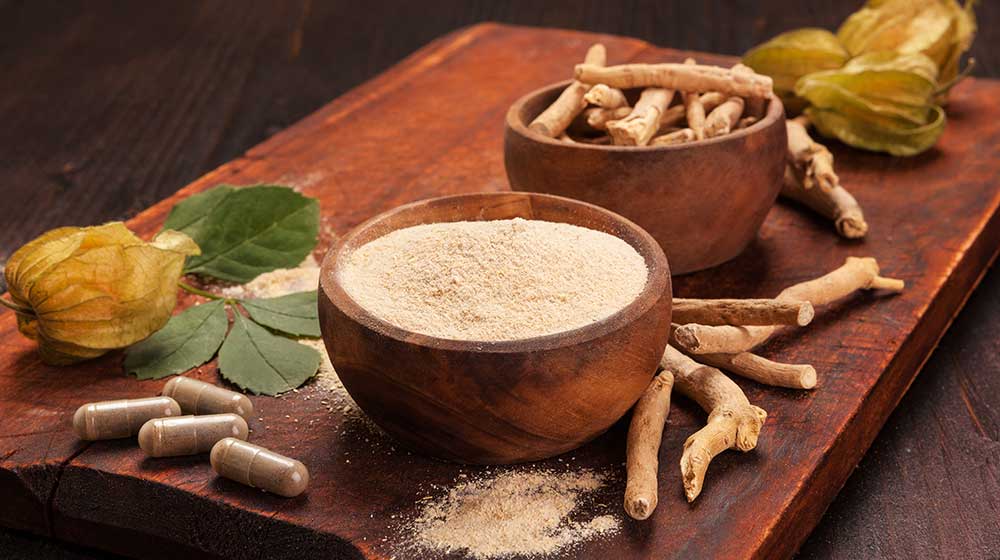
Natural supplements for ED have weaker and less consistent evidence than exercise and other lifestyle changes. L-arginine and ginseng have each been assessed in a review of trials in men with ED.
A meta-analysis of L-arginine trials included 10 randomized controlled trials and 540 men with mild-to-moderate ED.8 Doses, treatment lengths, and combined ingredients varied across the studies, which makes the results harder to apply to one product. The AUA lists L-arginine among oral treatments it judges ineffective, unsafe, or lacking enough evidence to generalize from.1
A Cochrane review of ginseng included nine studies and 587 men. The evidence was mostly low certainty, follow-up lasted no longer than 12 weeks, and effects on validated erectile-function scores may be trivial.9 No included trial compared ginseng with a prescription phosphodiesterase type 5 (PDE5) inhibitor.9
The U.S. Food and Drug Administration (FDA) warns that many products marketed for sexual enhancement or ED are likely to contain dangerous hidden ingredients. The FDA also states that its notification list covers only a small fraction of contaminated products.10
A supplement may change the symptom without identifying a vascular, hormonal, or metabolic driver. A generic product stays the same regardless of the cause of ED. Your health history and labs give a physician a basis for choosing lifestyle changes, prescription treatment, or both.
For a compound-by-compound review, see natural PDE5 inhibitors. L-citrulline has its own review in L-citrulline for erectile dysfunction. Discuss any supplement with your physician before adding it to your plan.
A Physician Evaluation for Erectile Dysfunction
A physician evaluation helps identify the cause of ED and shows whether lifestyle changes are likely to be enough. Trying a natural remedy on your own does not show whether the cause is vascular, hormonal, medication-related, or something else. A fuller discussion is available in erectile dysfunction causes.
Your evaluation may include your symptom pattern, health history, current medications, testosterone testing, and metabolic markers. One result provides limited context. Several related results can reveal a pattern that changes the treatment plan.
A lifestyle-only plan is a poor fit when testing finds an underlying cause that needs directed treatment. Prescription options may come in when natural treatment for erectile dysfunction does not produce enough improvement or when your evaluation supports medication. The erectile dysfunction protocol explains the physician-guided process, while sildenafil vs tadalafil covers two prescription options.
The Opt Take on Natural Remedies for ED
A physician should look for the cause of your ED across your symptoms, health history, medications, and labs before choosing between lifestyle changes and prescription options. At Opt Health, the initial panel measures 55+ biomarkers at home or at a partner lab. A 1:1 physician review puts hormones, metabolic markers, cardiovascular risk, and inflammation into the same clinical picture.
Your treatment plan is built from those results and your goals. It can focus on lifestyle changes, include prescriptions, or combine both when the physician’s evaluation supports that choice. Prescriptions are shipped from our pharmacy to your home.
Full labs and a physician consultation repeat every 3 to 4 months. Your physician compares the new results with your baseline, reviews your symptoms, and adjusts the plan according to what changed. Membership is required to receive treatment because it makes continuity of care possible.
Get started: Begin with Opt Health, where a physician reads your labs, builds your plan, and adjusts it over the loop.
Frequently Asked Questions
Exercise has the strongest evidence among non-prescription approaches. Weight loss with more activity, smoking cessation, and supervised pelvic floor training can also improve erections in some men.2-6 These approaches do not resolve every cause of ED, so cardiovascular, hormonal, and metabolic evaluation should come first.
No single natural drink has established evidence for treating ED. The AUA guideline points to overall dietary patterns and broader lifestyle changes, with small erectile benefits overall.1
No natural product has been shown in trials to match a prescription PDE5 inhibitor. Ginseng has mostly low-certainty evidence, and the available trials did not compare it with PDE5 inhibitors.9 The FDA also warns that many products sold as natural sexual-enhancement treatments are likely to contain dangerous hidden ingredients.10
Some home remedies for ED can help when they address a contributing factor. Exercise, combined weight loss and activity, and smoking cessation have supportive evidence, while pelvic floor training was studied as a supervised program.2-6 Supplements have less certain evidence. Testing helps determine which approach fits the cause of your ED.
ED treatment starts with understanding the likely cause and tracking how your symptoms and biomarkers respond. An Opt Health membership pairs 55+ biomarkers with a 1:1 physician review, followed by repeat labs and a physician consultation every 3 to 4 months.
References
- Burnett AL, et al. Erectile dysfunction: AUA guideline. J Urol. 2018;200(3):633-641. https://pubmed.ncbi.nlm.nih.gov/29746858/
- Gerbild H, et al. Physical activity to improve erectile function: a systematic review of intervention studies. Sex Med. 2018;6(2):75-89. https://pubmed.ncbi.nlm.nih.gov/29661646/
- Silva AB, et al. Physical activity and exercise for erectile dysfunction: systematic review and meta-analysis. Br J Sports Med. 2017;51(19):1419-1424. https://pubmed.ncbi.nlm.nih.gov/27707739/
- Esposito K, et al. Effect of lifestyle changes on erectile dysfunction in obese men: a randomized controlled trial. JAMA. 2004;291(24):2978-2984. https://pubmed.ncbi.nlm.nih.gov/15213209/
- Pourmand G, et al. Do cigarette smokers with erectile dysfunction benefit from stopping? A prospective study. BJU Int. 2004;94(9):1310-1313. https://pubmed.ncbi.nlm.nih.gov/15610111/
- Dorey G, et al. Randomised controlled trial of pelvic floor muscle exercises and manometric biofeedback for erectile dysfunction. Br J Gen Pract. 2004;54(508):819-825. https://pubmed.ncbi.nlm.nih.gov/15527607/
- Thompson IM, et al. Erectile dysfunction and subsequent cardiovascular disease. JAMA. 2005;294(23):2996-3002. https://pubmed.ncbi.nlm.nih.gov/16414947/
- Rhim HC, et al. The potential role of arginine supplements on erectile dysfunction: a systemic review and meta-analysis. J Sex Med. 2019;16(2):223-234. https://pubmed.ncbi.nlm.nih.gov/30770070/
- Lee HW, et al. Ginseng for erectile dysfunction. Cochrane Database Syst Rev. 2021;4(4):CD012654. https://pubmed.ncbi.nlm.nih.gov/33871063/
- U.S. Food and Drug Administration. Sexual enhancement and energy product notifications. Updated September 25, 2026. Accessed October 5, 2026. https://www.fda.gov/drugs/medication-health-fraud-notifications/sexual-enhancement-and-energy-product-notifications
This content is for informational purposes and does not replace evaluation, diagnosis, or treatment by a qualified medical professional.
This article is part of our guide to erectile dysfunction. See how Opt Health treats ED at the root cause.


Start Today
Your health, your terms. Discover how personalized care can transform not just the way you feel, but how you live.