
Back
 By GetOPT Review Team · Reviewed by Jeremie Walker, MD, MBA · September 14, 2026
6 Ways To Battle Sarcopenia (Muscle Loss) And Become Physically Fit

Sarcopenia is a condition that decreases life expectancy and quality of life. Yet, there are many ways to battle sarcopenia and become physically fit. This article will explain what sarcopenia is, its causes, its symptoms, as well as its treatment options.
RELATED: 10 Important Biomarkers To Optimize Your Health
Subscribe for more
Join our newsletter to get the latest news, tips, and stories from Opt Health.
What is Sarcopenia?
Sarcopenia is an age-related muscle degeneration. It is most common in people over 50. It’s caused by an imbalance between anabolic signals and catabolic signals. Anabolic signals refer to muscle cell growth processes. Catabolic signals refer to muscle cell teardown processes.
There is a balance between signals that allows your body to keep its vigor over time in typical cases. Yet, as we move past middle age, adults slowly lose muscle strength each year at a rate of 3%. As this continues, our body’s normal anabolic signals shift towards catabolic. The result is a loss of muscle and disruption in daily routine activities.
Causes of Sarcopenia
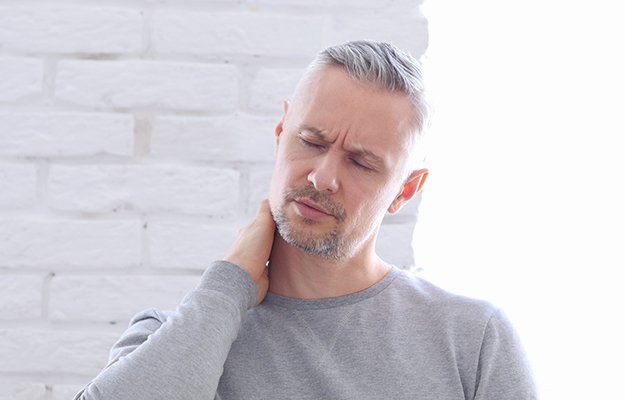
Age is the most significant cause of sarcopenia. Beyond age, other factors include inflammation, poor diet, sedentary lifestyle, and stress.
Inflammation
Excessive inflammation can cause all sorts of problems for the body, such as arthritis, Crohn’s disease, and more. It can also disrupt anabolic and catabolic signals in the body, which lead to sarcopenia. One study found that adults with blood levels of C-reactive protein, a sign of inflammation, can predict sarcopenia.
Poor Diet
A poor diet can lead to diminished muscle mass. More specifically, a low-calorie and low-protein diet lead to severe muscle loss. To battle the effects of sarcopenia and stay physically fit, aim for 25-30 grams of protein.
Sedentary Lifestyle
A sedentary lifestyle has the potential to become a vicious cycle. If you start moving less, your muscles will become weaker. If your muscles become weaker, you will stop moving more and more. This nonuse of muscle is a huge factor that contributes to sarcopenia.
Stress
Everybody experiences stress at some point. But, severe stress can place a serious strain on the body resulting in significant muscle loss.
Symptoms of Sarcopenia
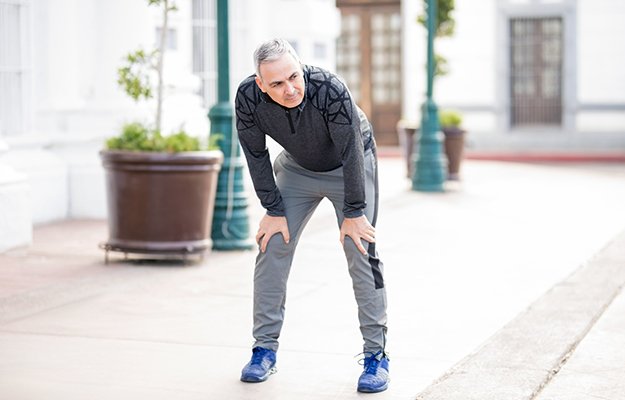
The symptoms of sarcopenia can affect the body in different ways. Feeling weaker over time, walking slower, less interest in physical activity, and weight loss. On top of this, there are other potential related symptoms, including a decrease in nerve cells, lower amounts of certain hormones, and an inability to turn protein into energy.
How Sarcopenia Is Diagnosed
A person can often notice changes like feeling weaker over time, walking more slowly, losing interest in physical activity, or losing weight. Confirming sarcopenia requires clinical measurements instead of symptom reports alone. Grip strength testing with a hand dynamometer provides a simple screening method for reduced muscle strength. Providers also measure walking or gait speed as an indicator of physical function. To estimate muscle mass directly, clinicians use imaging methods such as a dual-energy X-ray absorptiometry (DXA) scan or bioelectrical impedance analysis. Clinicians combine a strength or function assessment with a muscle-mass measure because low muscle mass alone does not always mean reduced function, and reduced function alone does not confirm sarcopenia.
Treatment for Sarcopenia
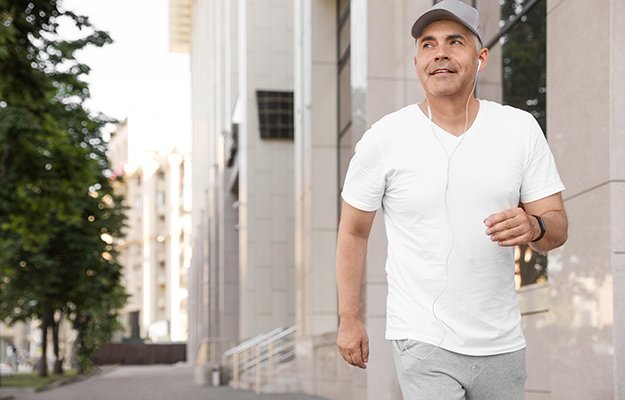
Although sarcopenia is a natural consequence of aging, it is often preventable. Treatment for sarcopenia splits into two categories: exercises and nutrients. If done well, you can reverse the effects of sarcopenia, which can increase lifespan and quality of life.
Exercises to Battle Sarcopenia
Strength Training
Strength training such as weightlifting is one of the best ways to battle sarcopenia and become physically fit. When strength training, you create tension in your muscle fibers. One study found that strength training only three times a week can increase muscle mass.
Endurance Training
For aerobic exercise, it may be best to walk before you run. Studies have shown that walking alone can increase muscle mass. Once you’ve built up the strength to walk consistently, you can try other forms of endurance training such as cycling, hiking, or jogging. Studies have shown that starting with fifteen minutes and moving up can be beneficial towards increasing muscle mass.
Nutrients to Battle Sarcopenia
Protein
As mentioned early, an adequate amount of protein is crucial to offset the effects of sarcopenia. Why? Because as we age, our muscles become more resistant to protein signals for muscle growth. Thus, we need to consume more. How much more depends. One study found 35 grams is enough. Another study found that only 20 grams were sufficient. It’s best to experiment with your diet and see what works best for you.
Omega-3 Fatty Acids
Omega-3 Fatty Acids are essential for two reasons. One, they are anti-inflammatory. Two, when combined with strength training, they can lead to increased muscle strength and growth. One study found that a 2-gram fish oil supplement can help a lot for older women dealing with decreased muscle mass.
RELATED: Low Impact Exercises That Keep You Fit
Although sarcopenia affects 10% of adults over the age of 50, if you can treat it effectively, you can reverse the condition. Exercise and proper nutrients are your tickets to overcoming sarcopenia.
There is a lot to think about! If you have questions about ways to battle sarcopenia and become physically fit, connecting with a doctor in a discrete setting has never been easier.
Opt Health is a telehealth platform that reconnects men with wellness, fitness, strength, and sexual vitality through scientific preventive medicine. From your own home, you can schedule with a physician, meet one-on-one via video conference, receive test results, and have medications delivered to your door.
For questions, inquiries, or appointments, don’t hesitate to contact us. Get personalized support and insight from top-tier physicians available 24/7.
Sleep and Recovery Windows for Muscle Maintenance
Sleep and structured rest provide the physical recovery window required for muscle tissue to repair and adapt. While dietary protein supplies amino acids and resistance exercise provides the mechanical stimulus, muscle fibers rebuild during periods of physical downtime. Working the same muscle groups repeatedly without adequate recovery between sessions is counterproductive, because it interrupts tissue repair before the adaptation process finishes.
Sleep quality also interacts directly with systemic stress, which contributes to muscle decline alongside a sedentary lifestyle. Poor sleep compromises physical recuperation and makes it harder to get more energy for demanding workouts. Sleep and rest do not reverse sarcopenia on their own, nor do they replace exercise and proper nutrition. Instead, adequate rest provides the physiological baseline your body needs to translate training and food into preserved lean tissue.
Structure your weekly exercise routine so that worked muscle groups receive dedicated recovery intervals before they face another heavy training session. Pair that schedule with regular sleep habits that give your body uninterrupted time for physical repair. Combining consistent rest with the established strength training benefits and adequate daily protein creates the environment required to protect muscle function as you age.
Everyday Movement Habits for Muscle Preservation
Everyday physical activity maintains muscle stimulation between formal workouts. Prolonged sitting accelerates the decline of strength and physical capacity, reinforcing the cycle of inactivity that contributes to sarcopenia. Breaking up sedentary periods with frequent standing and brief walking breaks keeps leg muscles engaged and prevents extended hours of complete muscular disuse.
Small daily adjustments accumulate into steady functional support throughout the week. Taking the stairs, walking for routine errands, and scheduling short movement breaks during work hours maintain joint mobility and muscle activation without creating systemic fatigue. Daily movement does not substitute for dedicated progressive resistance training or reverse advanced muscle loss on its own. Pairing regular daily activity with structured exercises for building muscles ensures that your tissue receives both baseline stimulus and the targeted mechanical load required for growth.
Consistent physical activity also supports recovery by promoting circulation and nutrient delivery to recovering muscle groups. Coupling everyday movement with sufficient protein and targeted post-workout nutrition supplies the resources needed to repair tissue after strenuous sessions. Set a recurring reminder to stand and walk for a few minutes every hour, and use steady daily movement to protect functional mobility between your primary strength workouts.
The Opt Take on Sarcopenia
Resistance training and adequate protein provide the stimulus to preserve lean mass, but muscle tissue also responds to internal chemical signals. Sarcopenia frequently develops alongside systemic inflammation and shifting hormonal status. When you train and adjust your diet without measuring these underlying factors, you are managing only part of the biological picture. Objective laboratory data show whether your body has the physiological support to maintain muscle and recover from exercise.
At Opt Health, we address lean-mass preservation through a physician-led telehealth membership focused on preventive longevity medicine. Membership starts with a blood panel of 55+ biomarkers, collected at home or at a local partner lab. The panel evaluates hormones, inflammation, and cardiovascular risk, establishing an objective baseline before treatment begins. During a 1:1 consultation, an Opt Health physician connects these laboratory results with your exercise and nutritional habits to build an individualized plan. Similar clinical monitoring principles apply when tracking lean mass during weight reduction, as outlined in our guide to GLP-1 muscle loss.
Because biomarker profiles and physical capacity shift as you age, our care model relies on ongoing reassessment. A full blood panel and physician consultation repeat every three to four months, allowing your doctor to adjust your plan based on what your numbers actually did. This process aligns interventions across our core pillars of health, including hormones, exercise, inflammation, and nutrition. You can review our memberships to see how physician-guided tracking supports muscle health over time.
Get started: Begin with Opt Health, where a physician reads your labs, builds your plan, and adjusts it over the loop.
Up Next:
This article is part of our guide to longevity. See how longevity medicine works at Opt Health.



Start Today
Your health, your terms. Discover how personalized care can transform not just the way you feel, but how you live.